
Para quem as cidades estão sendo projetadas?
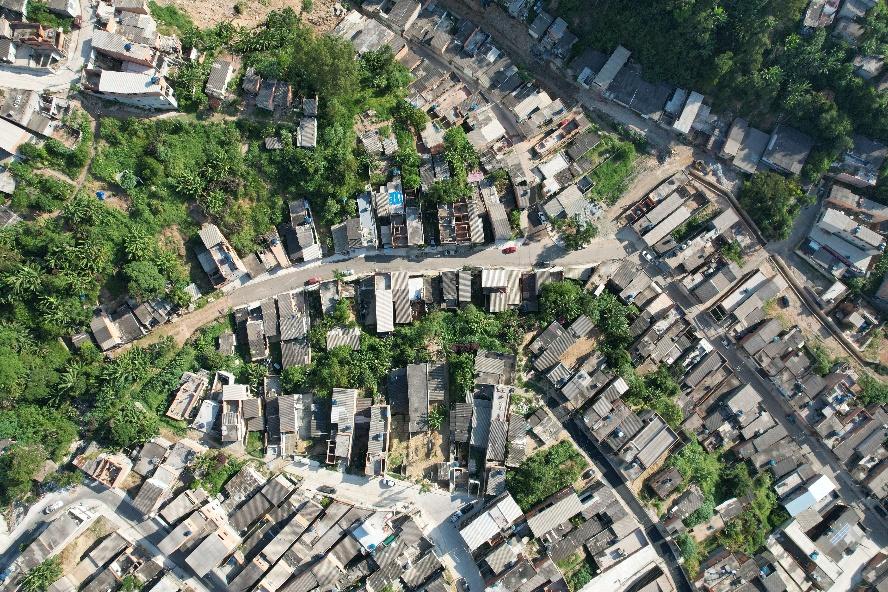
As cidades são resultado direto das escolhas que fazemos enquanto sociedade. Mais do que sua estrutura física, elas moldam o acesso a oportunidades como moradia, mobilidade, emprego e serviços o que evidencia as desigualdades. Nesse sentido, a pergunta “Para quem as cidades estão sendo projetadas?” não é apenas um exercício teórico, mas um ponto de […]
Saneamento básico na Índia e os limites da urbanização acelerada
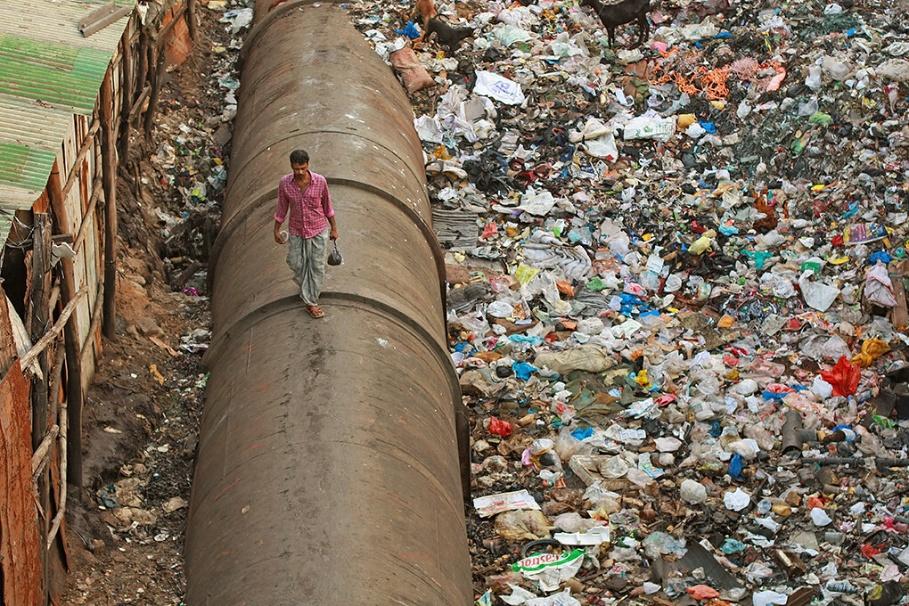
Continentes com grandes populações concentram desafios igualmente amplos, especialmente nas áreas de saúde e saneamento. Na Índia, que reúne mais de 1,4 bilhão de habitantes, a manutenção de condições sanitárias nas cidades segue como um problema persistente. A combinação de infraestrutura insuficiente, escassez de banheiros públicos e falhas na gestão de resíduos compõe um cenário […]
COP30: from discourse to practice - by Clara Assumpção
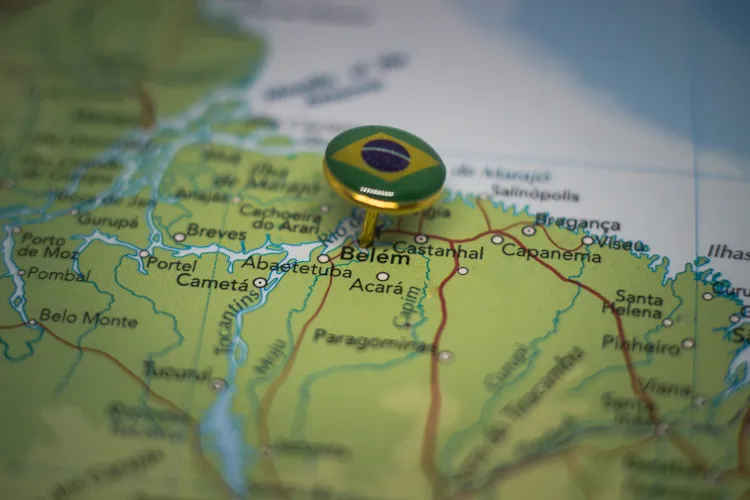
The challenge of COP30 is to consolidate intersectoral pacts capable of transforming territories. Holding COP30 in Belém do Pará puts Brazil in a strategic position in global climate governance. By taking place in the Amazon, the conference carries the responsibility of translating multilateral commitments into concrete actions. The challenge is not to repeat the logic of promises [...]
Energy transition for whom? The risks of a new green social exclusion - by José Guilherme Schutzer
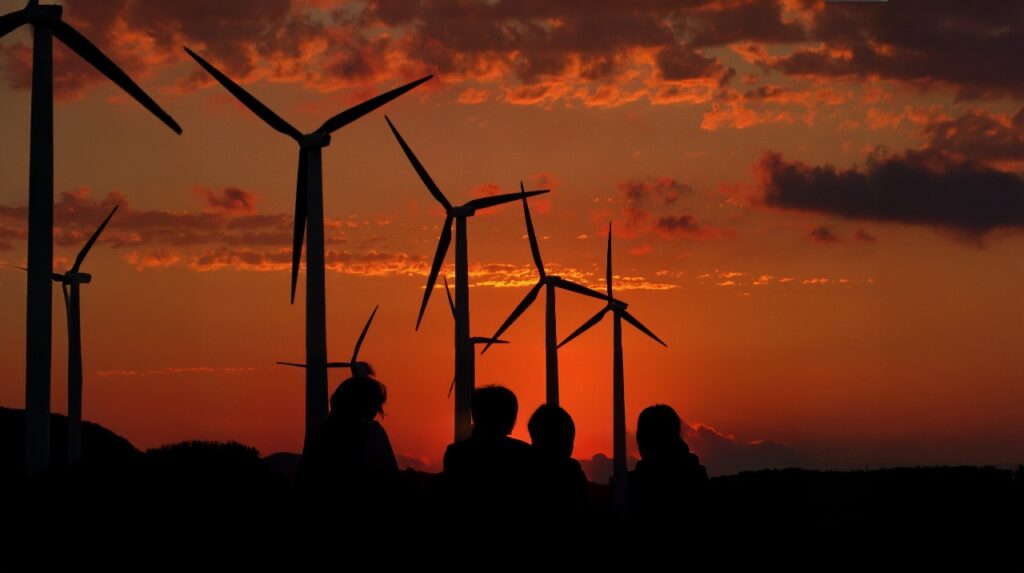
The energy transition, driven by the urgency of decarbonization, has been at the center of global climate debates. This discussion takes place on several fronts - political, economic, social and technical - and involves multiple actors: governments, companies, international organizations, communities and civil society. Seen as essential to achieving the goals of the Paris Agreement, the energy transition [...]
Panorama of Invisibilized Favelas and Communities in the State of São Paulo
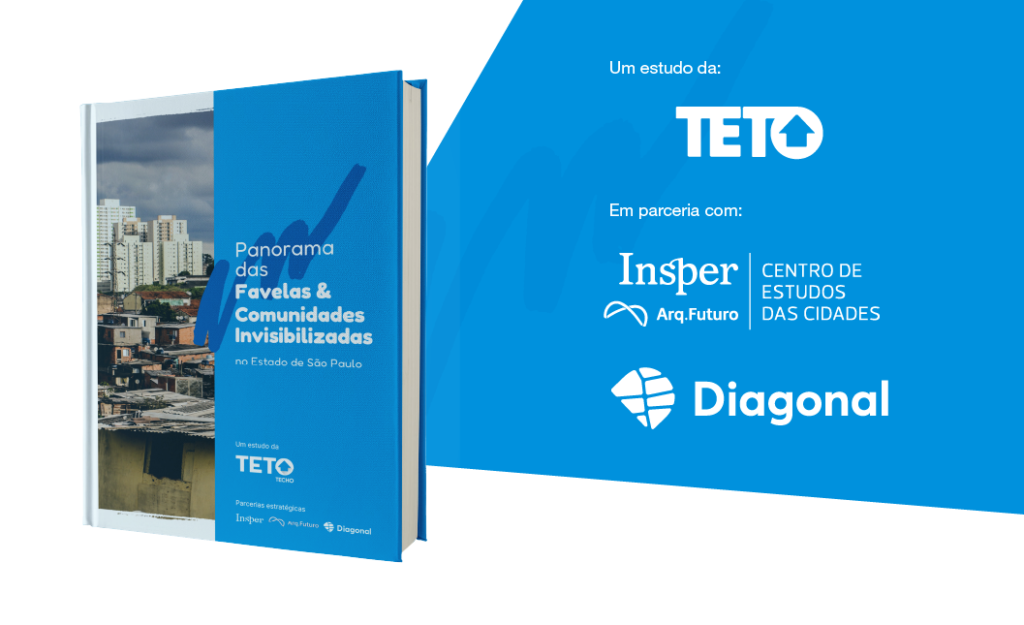
An in-depth and unprecedented look at the conditions of the most vulnerable favelas and communities in the state of São Paulo.
Diagonal, Insper and BEĨ Editora launch Practical Guide to Social Urbanism

The book is the result of cooperation between Insper's Center for the Study of Cities - Arq.Futuro Laboratory and Diagonal, a socio-environmental consulting firm BUY THE PRINTED VERSION HERE * * Proceeds will go towards scholarships for Insper's Social Urbanism course FREE DIGITAL VERSION The Center for the Study of [...]
Climate resilience: it's not enough to return to the original form, we need to go further

by Rafael Costa e Silva The debate on climate change has been under the spotlight in the international public sphere for some time now. Year after year, concern about its effects has taken on greater prominence among the various actors, both public and private, who set out to debate it with the intention of tackling this [...]
Turning Sustainability into Strategy

by Rodrigo Tavares In the corporate world, sustainability has gone from being a mere complement to becoming a central part of business strategies. "Stakeholder capitalism" is an increasingly present reality, with ever more conscious consumers and stricter regulations. But how can companies navigate this complex scenario [...]
Book Ilha de Deus - A Story of Resistance and Transformation
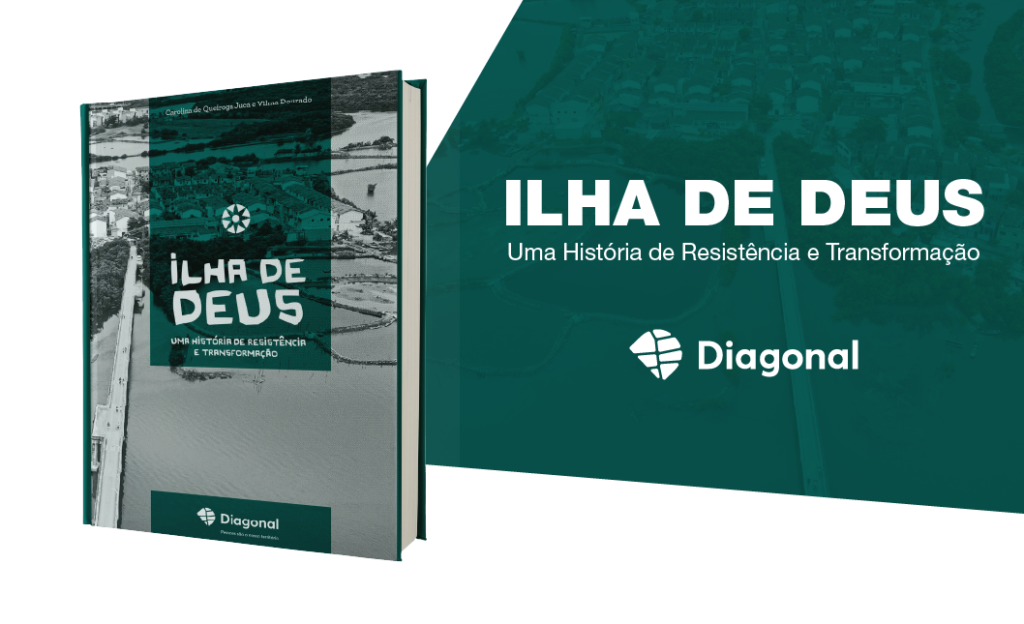
Download In May 2022, Diagonal achieved a very important goal for its history: the launch of our first book. "Ilha de Deus - A story of resistance and transformation" is a historical record that tells the story of the integrated transformation (social, environmental and urban) of an emblematic community in the city of [...]
What is social interest land regularization?
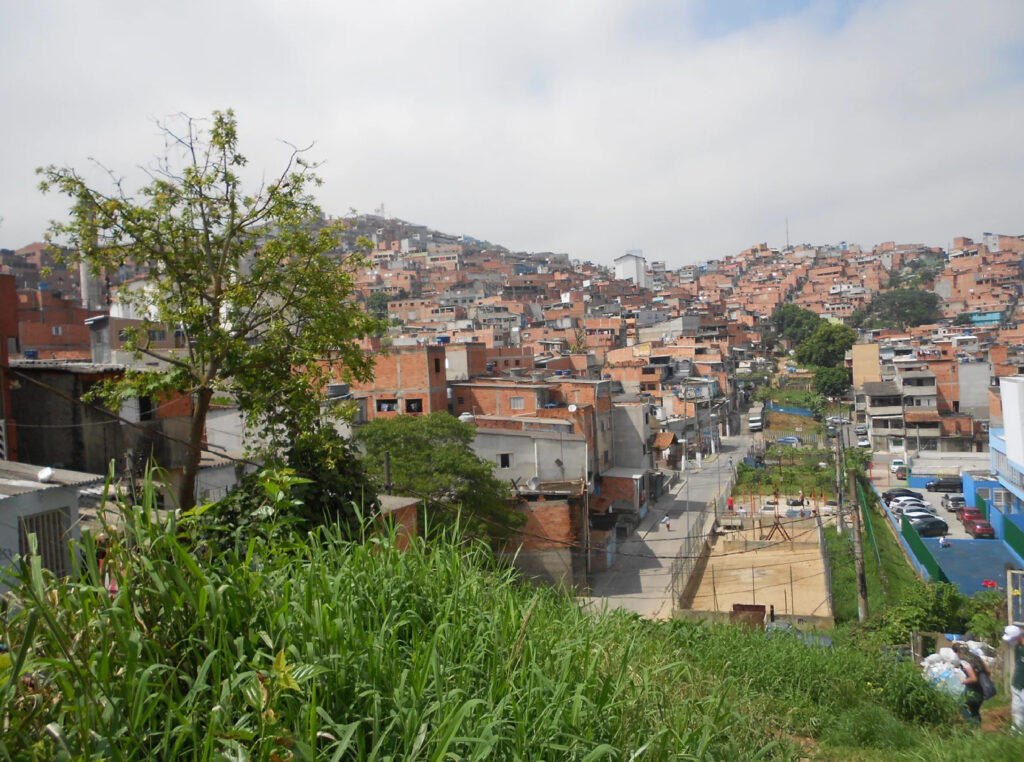
Land regularization is a public policy of relevant social and economic interest directly related to sustainable urban development. Thus, the scope of regularization goes far beyond regularizing the plot to become a matter of improving housing and guaranteeing the constitutional rights to property and the city. In this article you will [...]