
A study by TETO Brasil shows that around 43% of the houses in hyper-vulnerable favelas are made of wood ... - Observatório do Terceiro Setor
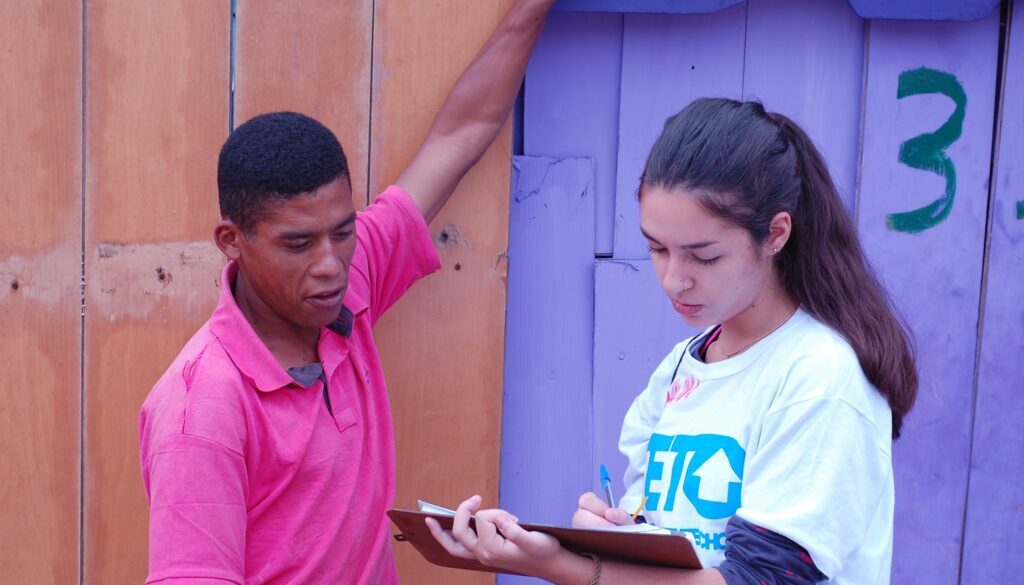
On October 11, Observatório do Terceiro Setor reported on new research carried out by TETO Brasil in partnership with Insper and Diagonal, which exposes the precarious housing situation in favelas and highlights the urgent need for effective public policies. The study reveals that an alarming percentage of housing is built with inadequate materials, reflecting the deep inequalities faced by these communities.
Aracaju shares successful experiences in the social area with the Government of Amazonas

After the fiscal and tax agenda, a new agenda for Brazil
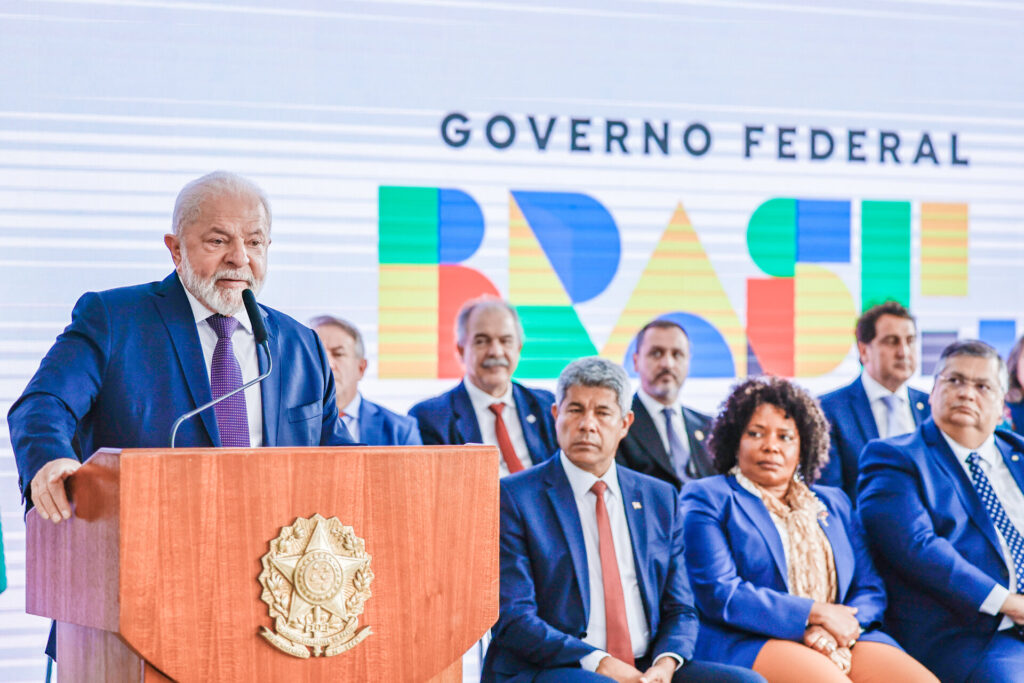
It's hard to say what this agenda would be. The Lula government - above all, the president himself - doesn't give many signs of what it wants
How to measure social impact projects

The Theory of Change is an excellent tool for planning short-, medium- and long-term impact actions by Kátia Mello*
Social urbanism in the slum climate crisis

The challenge for land management is to carry out preventive and emergency urban planning systematically and continuously throughout the year.
Land regularization is an ally in bringing dignity to vulnerable communities
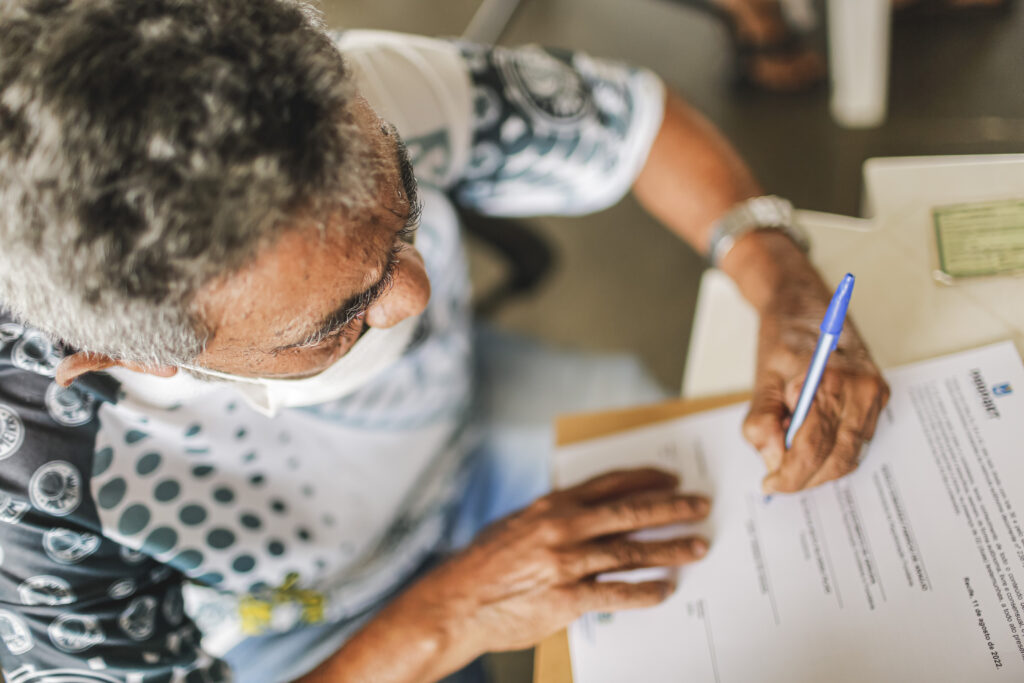
Check out Álvaro Jucá's article on page 6.
Health education

Strategy for access to basic sanitation and river preservation.
Water management

A new opportunity to help urban centers adapt to climate change.
ESG Washing

Good practices must be present in the culture of companies so as not to fall into the error of ESG washing.